Featured
Table of Contents
Know your audience and tailor your messaging. Focus advertisement spend where your audience is active. Have you ever saw your paid advertisements burn through spending plan without providing genuine outcomes?
Clicks don't constantly indicate conversions. Great targeting doesn't always indicate a great return on your investment. And sometimes, despite your best shots, your budget disappears into the digital space. That's why we're bringing it back to the fundamentals of a high-performing paid strategy: knowing your audience, lining up budget plan with intent, optimizing relentlessly, and (possibly most notably) safeguarding your invest from advertisement fraud.
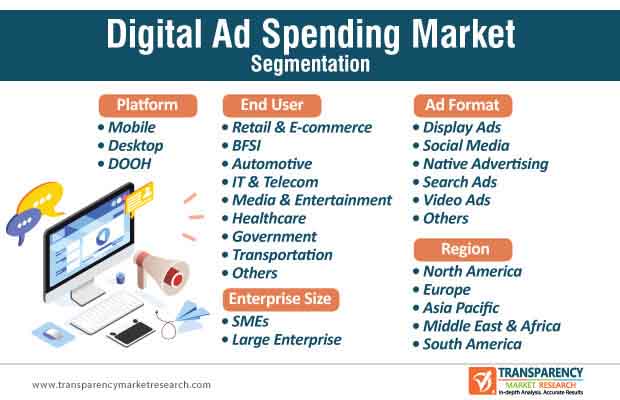
While natural channels play their part in earning reach in time, paying to promote your brand name provides immediate results. You see paid media in the types of:: Appear at the top of search engine results (think Google Advertisements).: Banner-style visuals throughout websites in ad networks.: Sponsored posts or stories on social networks.
Using Smart Analytics for Ad BuyingDeveloping a Data-Driven Multi-Channel Media Strategy
A normal paid search method will likely use a mix of different ads across platforms. Paid media strategies for ecommerce brand names utilize Google Shopping Ads for item discovery and high-visual channels like Instagram and Facebook.
LinkedIn Ads and Account-Based Marketing are great places to support premium leads over time. The best paid media strategies are not set it and forget it. They develop. These basics can assist you start your paid media technique, but it is necessary to review them often. Before spending a single dollar, developing a paid marketing technique starts with understanding who you're targeting.

: Define client sections based on demographics, pain points, and purchasing behaviors.: Use past campaign data and analytics to customize offers and positioning.: Equate insights into value proposals. A paid marketing method without clear goals is simply invest without technique. Every campaign should be grounded in a SMART goal: specific, quantifiable, attainable, pertinent, and time-bound.
: Click-through rates, time on website, engagement.: Leads, sales, CPA, ROAS. Not every platform fits every product or audience. Strategic channel choice ensures your advertisement dollars are focused where your audience is most active and engaged.: LinkedIn, Google Browse, programmatic ABM tools.: Google Shopping, Instagram, TikTok, Meta.
Balancing Search and Display Ads to Increase Conversions
Targeting specific audiences is vital to paid media success. It's not just about making sure your ads reach more people, however rather the best people who are more likely to make a purchase. These are a handful of methods to fine-tune your targeting:: Break down by demographics, interests, purchase intent, and behavioral information.
Using Smart Analytics for Ad BuyingPoor budget plan preparation can stop your project in its tracks. A successful marketing campaign is always progressing.
: Use multi-touch models to better understand conversions throughout channels.: Pull insights from Google Analytics, Meta, and CRM tools to see the full customer journey. An advertisement scams option should be a crucial part of your paid media method. Invalid traffic drains pipes millions of dollars, often without online marketers even understanding.
Deceitful traffic inflates your efficiency metrics, distorts A/B test results, and undermines your optimization efforts. It undermines your paid marketing strategy from the within out. These caution indications typically point to fraudulent activity: Sharp boosts in bounce rates or suspiciously low time on site. High click-through rates (CTR) with no corresponding conversions.
Without fraud protection, even the most advanced paid media technique is vulnerable. Experience the power of Anura and find simply just how much scams you have with a totally free trial!.
Optimizing Digital Ad Spend to Drive Higher ROI
Paid media strategies provide an effective method to reach target audiences, build brand awareness, and drive conversions. This guide describes techniques to take full advantage of ROI through paid advertising, offering actionable insights for both brand-new and skilled online marketers. By leveraging the special attributes of each platform and enhancing campaigns, services can ensure their marketing efforts deliver measurable results.
Unlike organic marketing, paid media enables online marketers to target specific audiences with precision, making sure the right message reaches prospective customers. By investing in paid advertising, businesses can magnify their reach, drive traffic to landing pages, and achieve greater conversion rates. The key to taking full advantage of ROI with paid media depends on comprehending the digital landscape and tailoring strategies to each platform's strengths.
This guide lays out strategies to optimize advertisement efficiency and attain a much better Return on Financial investment. Paid media projects are a cornerstone of efficient digital marketing. They allow organizations to reach a wider audience, target particular demographics, and track essential performance indications in real-time. A well-executed paid media method can enhance brand awareness, drive conversions, and provide measurable returns.
Without a strategic approach, paid media efforts can fall brief. Online marketers must utilize data-driven insights, enhance ad targeting, and line up projects with company goals to ensure success.
Every successful campaign begins with clear objectives. Determine what you aim to attain, whether it's increasing brand name awareness, driving website traffic, or boosting conversions. For B2B businesses, LinkedIn might be the perfect platform to target professionals, while TikTok could be much better fit for reaching younger audiences with engaging video material.
Essential Display Ad Tips for Engagement
Understanding your target audience is vital to reliable advertising. Usage analytics tools like Google Advertisements or social networks insights to examine demographics, interests, and behaviors. Accurate advertisement targeting ensures your message resonates with the right people, enhancing conversion rates. Each marketing platform serves a distinct purpose. Google Ads stands out at catching intent through paid search ads, while social networks platforms like Instagram and TikTok are perfect for constructing brand awareness through visual material.
Assess the distinct characteristics of each platform to determine where your project will carry out finest. TikTok's short-form video format is ideal for imaginative, high-energy advertisements, while Google Advertisements targets users actively looking for items or services. The success of paid media campaigns depends on providing an engaging message. Produce ads that align with your brand's voice and resonate with your target audience.
On search engines like Google, focus on succinct, keyword-rich advertisement copy that drives clicks to a landing page. Test various advertisement formats, such as carousel ads on Instagram or sponsored posts on LinkedIn, to identify what drives the very best outcomes. A/B testing enables online marketers to compare ad efficiency and enhance based on efficiency data.
Start by evaluating campaigns with smaller budget plans to recognize high-performing platforms and ad formats. Google Advertisements provides bidding options, such as cost-per-click (CPC) or cost-per-impression (CPM), to optimize costs.

Latest Posts
Modern Multi-Platform Methods for Paid Strategies
Reducing Inefficient Ad Spend to Maintain High Reach
Comparing Search and Display Ads for Maximum Conversions